

Finding Focus
or how to get out of your head and on to the page (again)

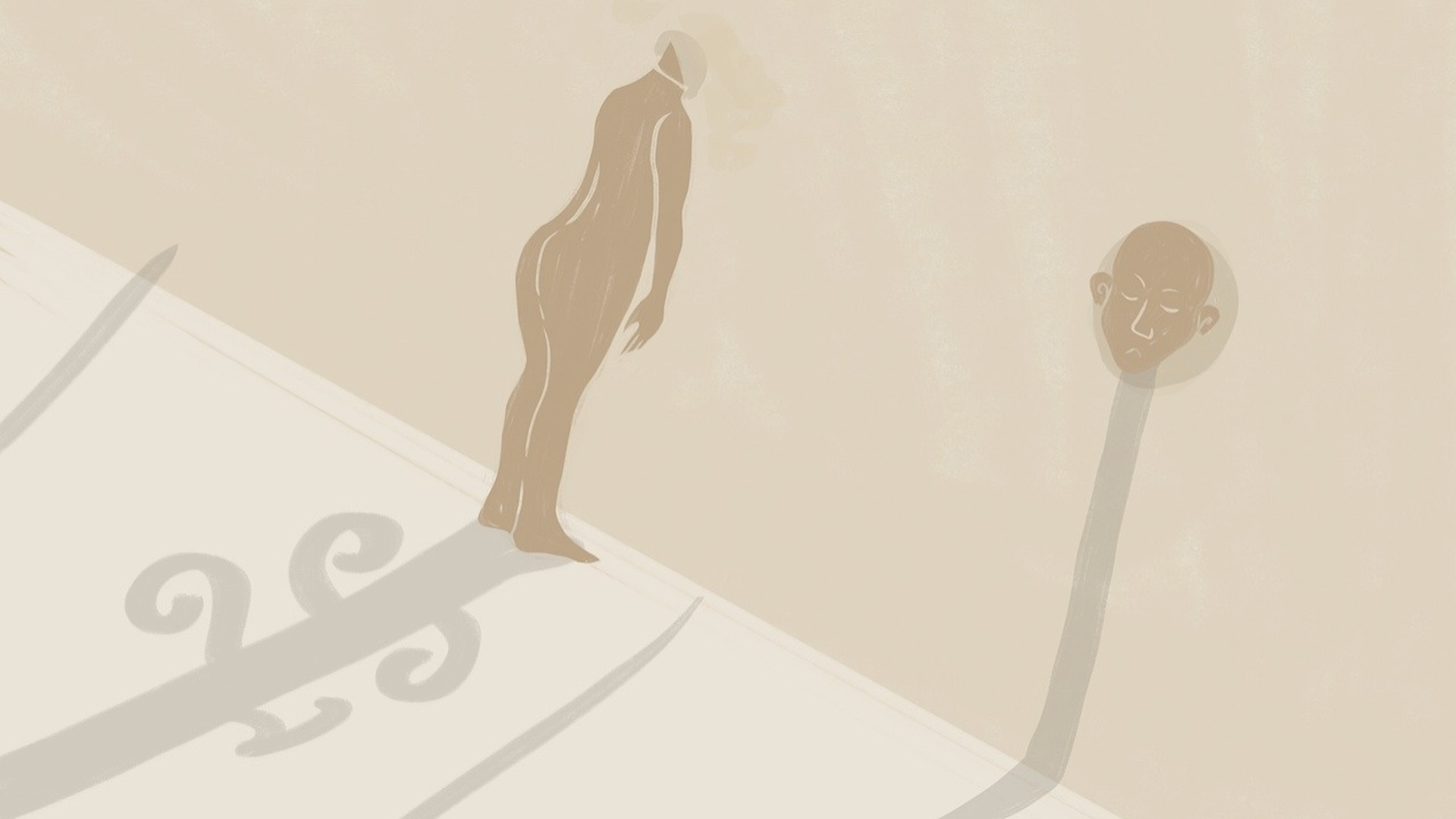
At a recent writing workshop that I taught for the Selkirk Mountain Writing Retreat’s “Summer Writes” series, we discussed writer’s block and finding our way into the “house” of fiction, as Henry James refers to it, when the door to the story just won’t open for us. My answer? Pick the lock, break a window, try the back; or in other words, experiment, experiment, experiment, and if that doesn’t work, well, I’ll talk about that in a few paragraphs.
Interestingly, the conversation reminded me of discussions I’ve been having with other writers and colleagues about burn out and the emotional work of writing, publishing, and establishing and maintaining a platform. So much of the labor of being a writer has nothing to do with writing, and I’m not even going to get into the performative aspects that just make my eyes ache when I log on to Instagram.
So, building on those conversations, I want to talk about how I reorient my thought process and find my focus when I feel unmotivated, burnt out, or just blocked in the hopes that it will help others.
Remembering Purpose
At the start of every workshop, I ask students to reflect on why they’re writing what they’re writing and why THEY are writing it (versus someone else). There are a lot of external factors that can get in the way of our sense of purpose. Reflecting on the deeper motivations behind the work is helpful in reminding us of what we value and how our writing practice is connected to that.
Turn off/Delete Socials
I’m glad social media wasn’t really around when I started my writing journey. Although it can certainly help create community, make connections, and get work out there, most of the time it just feels like reality TV (see my earlier comment about the performative aspects of writing). Am I guilty of it? Sure, as most of us need to use social media to survive and thrive in the industry. Will I be sharing this article on social media after I post it? You bet. Do I like it? Absolutely not, which is why I don’t have many social media apps on the devices I regularly use, and why not having them helps me to stay focused on the writing.
Write by Hand
As part of the PhD program at the University of Hawaiʻi at Mānoa, you have to complete two area exams in your specific area of expertise. Working with your examiners, you create a list of thirty to forty texts that you’ll read and be tested on. You’re given two questions and you have to write about forty double-spaced pages in the span of 72 hours, twenty pages for each question. You do this twice, then have to meet and answer questions, or defend your exam answers, orally. It was the thing I dreaded the most about the program, yet it was one of the things I really enjoyed and look back on.
Although much of my notes were typed up, when it came time to write, I often started my essays in the $1 composition books that are always available during back-to-school sales, which I’ll be hitting up soon (my supply is low). For me, this gets me away from the editor in my mind and allows me the room I need to think through my ideas. By the time I transition from my handwritten essay to my computer, I’ve also given myself time to process my ideas. This is something that I used to do early on but moved away from. Now, I’ve returned to it and find it’s so much easier to write in this way.
“Break into the House [of Fiction]”
When I can’t find a way into the story through the front door (i.e., the way I’m used to writing or the way I planned), I look for another way in.
Here are some prompts that I use and that may help you; bonus, you get to read a little bit about how I wrote several stories from my award-winning collection Blood Work and Other Stories (they’re at the end of each article):
Walking Tour prompt - when you want to focus on the setting and the senses.
Get Weird prompt - when the logical just isn’t working out
Other Options prompt - “What if…”
Scraps to Story prompt - seeing the possibility in the stuff you cut out/left out
Beyond prompts, if you’re having trouble writing a section, move on to another section or write a different part of the story.
For other ideas, pick up James Gardner’s The Art of Fiction.

Be nīele/Get out and Observe
Honestly, when you’re feeling blocked, one of the best things you can do is do something else. For me, I’m a busybody. I’m always observing, listening, and talking to people. Time away from the page is time your mind is unconsciously thinking about the story. Sure, you can bang your head against your keyboard until the answer comes to you, or you might just pass out.
Remind yourself it’s okay
This is probably the most important tip. The process sucks sometimes. It’s okay to feel that and to feel like things just aren’t working. Sometimes they aren’t, and that’s okay too. Try again, try something else, or just do something else. Throw the story in your “scraps” folder and maybe it’ll find a home elsewhere. Maybe it’ll just be part of the writing process for another story. Maybe it’ll just be an anecdote for your blog.
More soon,
Donald
Love the writing prompts mentioned.
such great advice. Thanks Donald. it made me go look for my copy of Blood work and re read KTown!